A self guided walking tour of Dublin uncovers bullet-scarred columns, Ireland's stolen Crown Jewels and the pub where Joyce's hero ate lunch. Here's the route.
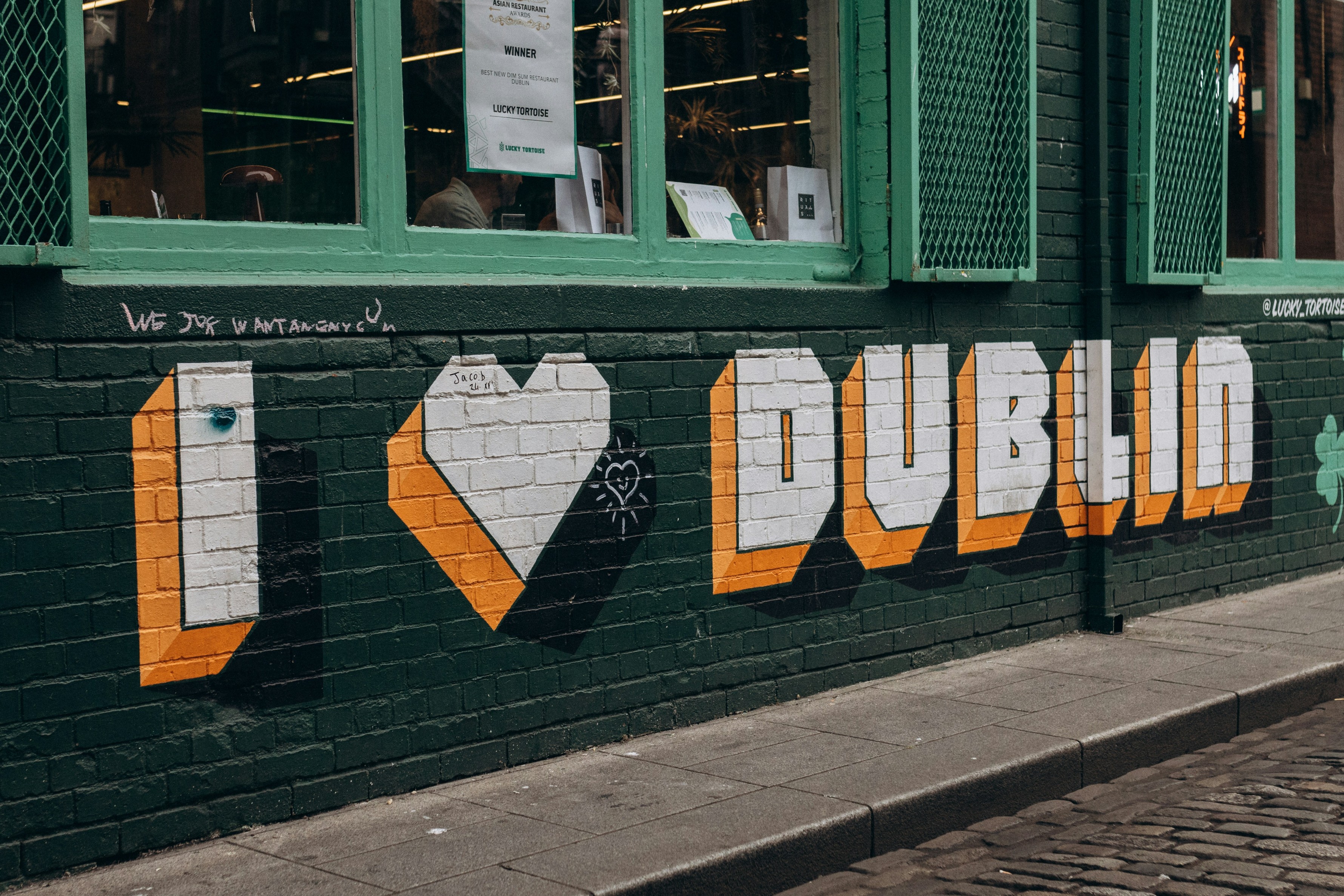
Dublin has a habit of hiding its best stories in plain sight. A pockmarked column on its main street. A tower where a fortune in diamonds vanished. A cathedral door with a hole hacked through the middle. A pub where a fictional man ate a very real sandwich. Most visitors walk straight past the lot.
Dublin's centre is compact and flat, so if you're after the best things to do in Dublin, a self guided walking tour of Dublin is the easiest way to tick them off. In half a day you can cover Trinity College, the literary pubs around Duke Street, Dublin Castle, St Patrick's Cathedral, the Ha'penny Bridge and the GPO on O'Connell Street, roughly three and a half kilometres in all.
Begin at Trinity College, founded by Elizabeth I in 1592, where the Book of Kells has been dazzling visitors for centuries. The illuminated gospel manuscript dates to around 800 AD, and some of its decoration is so fine it needs a magnifying glass. Monks painted it in inks made from crushed minerals and plants, and somehow the colours still glow more than twelve hundred years later.
Upstairs is the Long Room, nearly 65 metres of dark oak, a barrel-vaulted ceiling and rows of marble busts. Here's the friction: most of its 200,000 books have been temporarily removed for conservation. It's still worth the ticket, but check the Trinity visitor site before you go so you know what to expect, and book a timed slot to skip the queue.
Dublin was named a UNESCO City of Literature in 2010, and four Nobel laureates in literature have called it home: Shaw, Yeats, Beckett and Heaney. But the city's most famous literary meal belongs to a man who never existed.
Walk five minutes south to Davy Byrne's on Duke Street. In James Joyce's Ulysses, set on 16 June 1904, Leopold Bloom stops here for a gorgonzola sandwich and a glass of burgundy. Order the same and you're in good company. Flann O'Brien, the pen name of the civil servant and comic novelist behind The Third Policeman, drank here. So did Brendan Behan, the playwright and former IRA prisoner who wrote Borstal Boy and was as famous for his drinking as his writing.
Head west to Dublin Castle and look for the Bedford Tower in the Upper Castle Yard. For seven centuries this was the seat of British rule in Ireland, and it's where, on 6 July 1907, staff made a very awkward discovery. Just four days before King Edward VII arrived for a visit, the Irish Crown Jewels had vanished from a safe in the Office of Arms. The diamond star and badge of the Order of St Patrick were gone.
The best detail? The safe was too big to fit through the strongroom door, so it had been parked in the library instead. The king was furious, the man in charge lost his job, and the jewels have never been found. If you've picked the MyGuideGuru Scandalous themed tour, this is where your tour earns its name. Not sure which theme suits you? Here's how to choose the right self-guided tour style for your travel mood.
Walk five minutes south to St Patrick's Cathedral, which has stood on this spot since the thirteenth century. Jonathan Swift, author of Gulliver's Travels, was Dean here from 1713 until his death in 1745, and he's buried inside next to his close companion Esther Johnson, the woman he called Stella.
Look for the battered wooden door in the north transept. In 1492, two feuding families, the Butlers of Ormond and the FitzGeralds of Kildare, clashed outside the city walls. The Butlers barricaded themselves inside the cathedral's chapter house and refused to come out. Gerald FitzGerald had a hole cut in the door and pushed his arm through to offer a handshake, gambling that nobody would chop it off. Nobody did, the families made peace, and Ireland gained a phrase: to chance your arm. The Door of Reconciliation still has the hole.
Wander north past Christ Church Cathedral and through Temple Bar to the Ha'penny Bridge. It opened in 1816 because a ferryman named William Walsh was told to fix his leaky Liffey ferries or build a bridge. He chose the bridge and charged a ha'penny to cross until 1919.
A Guru Insight for this stretch: Temple Bar is fun for a look, but it pours the priciest pint in town and it's shoulder to shoulder by mid-afternoon. Duck a street back, or read our tips on smarter ways to dodge the tourist traps. Dublin weather changes hourly too, so pack a rain layer and download your route before you set off. If the heavens open, you can shelter in a doorway and let the audio walking tour of Dublin carry on without chewing through your data.
Cross onto O'Connell Street and stop at the General Post Office. On Easter Monday, 24 April 1916, Patrick Pearse stood outside and read the Proclamation of the Irish Republic, launching the Easter Rising. Six days later the building was a burnt-out shell, and the leaders were soon executed at Kilmainham Gaol.
Look closely at the portico columns. Those chips and pits are bullet marks from the Rising, and you can still trace them with your fingertips. An audio tour guide lets you hear the story standing on the very spot, and the GPO Witness History museum inside fills in the rest.
Here's the Guru Secret. The steel Spire across the road replaced Nelson's Pillar, which was blown up in March 1966. Nelson's stone head survived, only to be stolen by art students, who reportedly rented it to a London antique dealer and lent it to a stockings advert. It now sits in the Dublin City Library and Archive on Pearse Street, rarely seen by visitors.
How long does a self guided walking tour of Dublin take?
Allow four hours for the core route from Trinity College to the GPO, plus an hour if you're going inside the Book of Kells exhibition, St Patrick's Cathedral or the GPO museum. A full day lets you add Kilmainham Gaol, about three and a half kilometres west and easiest reached by bus.
Is Dublin a walkable city?
Very. The historic centre is flat and compact, with most major sights within a 30-minute walk of each other. The River Liffey splits the city into north and south, which makes it easy to get your bearings. You'll rarely need public transport, though the Luas tram is handy for tired legs.
Can you still see the books in the Long Room?
Partly. Most of the Long Room's 200,000 books have been temporarily removed for conservation, but around 20,000 remain in the first bays. The Book of Kells is still on display, and the room itself, with its barrel-vaulted ceiling and marble busts, is open. Check Trinity's visitor site for the latest before booking.
What are the best literary pubs in Dublin?
Davy Byrne's on Duke Street is essential for Ulysses fans. Toner's on Baggot Street is said to be the only pub W.B. Yeats ever visited, and McDaid's on Harry Street was a Brendan Behan favourite. Visit on 16 June for Bloomsday, when Dubliners dress in Edwardian costume. Find more city guides like this on the MyGuideGuru blog.
Dublin doesn't shout about its secrets. They're chipped into columns, tucked behind castle walls, cut into cathedral doors and served with a gorgonzola sandwich. Download MyGuideGuru, pick your theme and let Dublin tell you the rest.