A convict-carved throne, a 1pm time ball and a fort pranked by a future Titanic officer. Walk the side of Sydney Harbour that most visitors rush straight past.
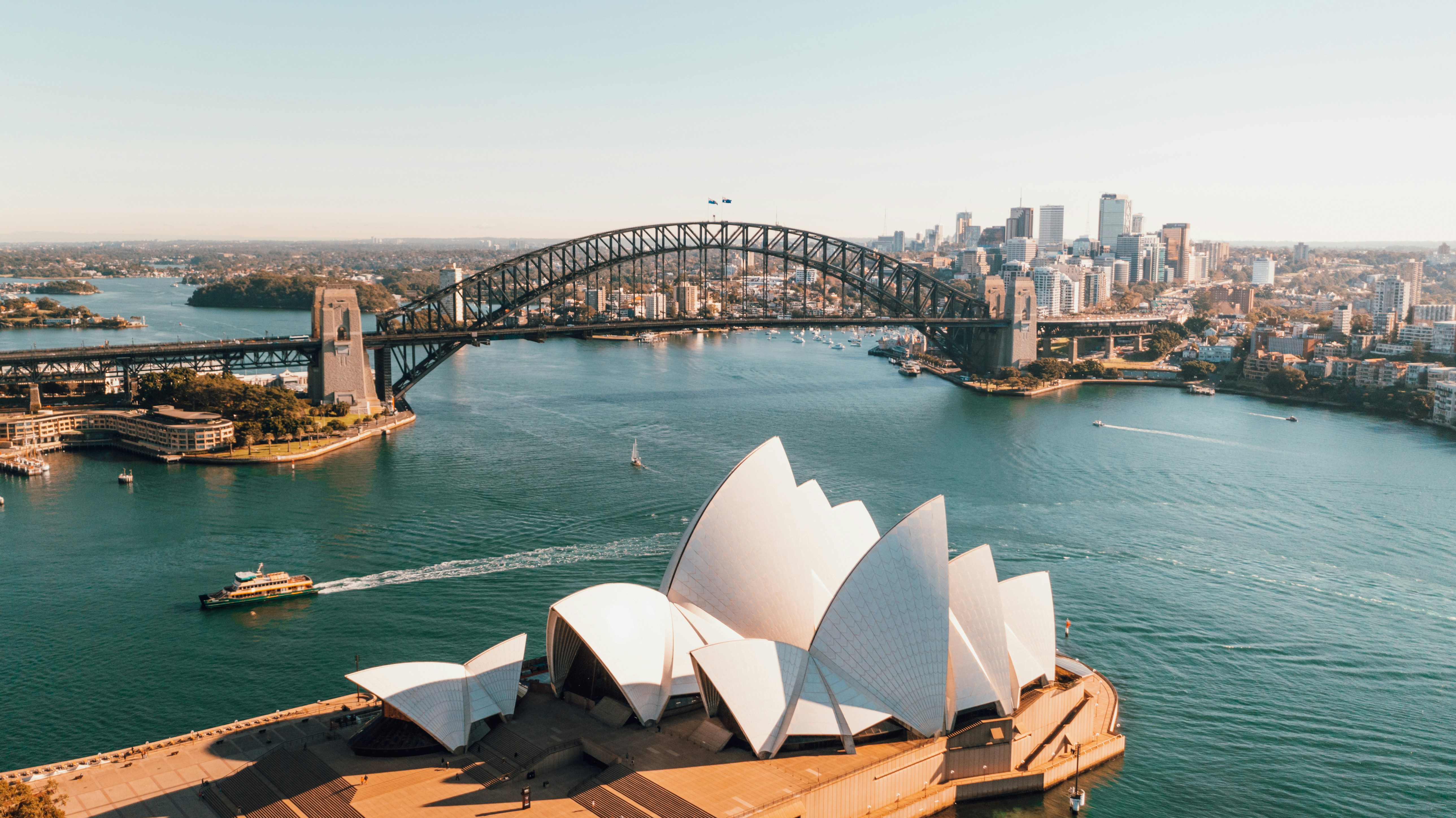
Most visitors give Sydney Harbour about forty minutes. A selfie on the Opera House steps, a squint at the Bridge, a gelato at Circular Quay, done. Which is a shame, because the harbour's best stories are hiding a few hundred metres either side of that postcard, carved into sandstone, buried in gardens and fired out of cannons.
The best self guided walking tour of Sydney links Mrs Macquarie's Chair, the Royal Botanic Garden, The Rocks, Observatory Hill and the Harbour Bridge walkway, then finishes at Wendy Whiteley's Secret Garden in Lavender Bay. Allow four to five hours at a relaxed pace, and catch a ferry back.
The route runs east to west, then hops north over the Bridge, timed so you reach Observatory Hill just before 1pm for a 168-year-old daily ritual.
Begin at Mrs Macquarie's Chair, a bench hand-carved by convicts out of a sandstone ledge in 1810 for Elizabeth Macquarie, wife of Governor Lachlan Macquarie. Folklore has her sitting here watching for ships from home. Whether or not that's true, she had excellent taste, because this is one of the best spots in the city to fit the Opera House and the Harbour Bridge into a single frame. The Gadigal people knew this headland as Yurong Point, long before anyone thought to put a seat on it.
Get here early. By mid-morning the tour coaches roll in; at sunrise it's just you, a few joggers and the photographers. We've written before about the merits of waking up early while travelling, and nowhere proves the point better than this rock.
From the chair, look out at the small island with the round stone tower. That's Fort Denison, and it has the best backstory in the harbour.
Its old nickname is Pinchgut. In 1788, a First Fleet convict named Thomas Hill was sentenced to a week in irons on the bare rock with only bread and water, and that, so the story goes, is how it earned the name. But the fort itself exists because of an embarrassing night in November 1839, when two American warships, the Vincennes and the Peacock, sailed into the harbour under cover of darkness. Nobody noticed. Sydney woke up to find foreign warships calmly anchored in its front yard. It was only a courtesy call, but the fright got the island fortified from 1841.
Then, in October 1900, with the Boer War raging, a young officer from a visiting White Star Line ship rowed out to the fort with two shipmates, hoisted a makeshift Boer flag and fired one of the cannons, loaded with a harmless wad of cotton waste. The blast shattered some of the fort's windows and sent the city into a spin. He was never caught, though he later confessed to his employers. His name was Charles Lightoller, and twelve years later he'd be the second officer on the Titanic.
Wander back along the foreshore path through the Royal Botanic Garden, harbour on one side, fig trees on the other. It's free, shaded and the calmest way to approach the Opera House, which sits on Bennelong Point, named after Woollarawarre Bennelong, the Wangal man who asked Governor Phillip to build him a hut on this very spot in 1790.
Cross Circular Quay and climb into The Rocks, the city's oldest neighbourhood. Skip George Street and duck into the laneways behind it, where honey-coloured sandstone still carries its builders' chisel marks. Susannah Place, a terrace of four houses from 1844, is now a museum showing how crammed-in working families really lived here.
Then walk through the Argyle Cut, a canyon of a road hacked through the ridge. Convict chain gangs started it in 1843 with hand tools; it was eventually finished with explosives. Run your hand along the wall and you'll feel every blow.
If you're wondering how to see this area without a guide shepherding you through, this is where the app earns its keep. An audio walking tour of Sydney tells you the story as you reach each spot, with a map to the next stop, so you're looking at the laneway rather than your guidebook.
Climb the steps to Observatory Hill, the highest natural point in the city, and time your arrival for just before 1pm. On top of the Sydney Observatory tower sits a bright yellow time ball. It was first dropped on 5 June 1858 so ships in the harbour could set their chronometers, and it still drops every day at 1pm, using the original mechanism with a little help from an electric motor. It's over in a second, which is precisely the point.
Below the hill sits Dawes Point, dual-named Tar-ra since 2002. In 1788, a First Fleet marine officer named William Dawes set up a tiny observatory here. A young Gadigal woman called Patyegarang, aged around 15, taught him her language, and his notebooks of the Sydney language are now held in London. They remain one of the most precious records of the words spoken around this harbour before the colony arrived.
From Cumberland Street, take the Bridge Stairs (or the lift) up to the Harbour Bridge's pedestrian walkway on the eastern side. It's free, and the view isn't far off what the bridge climbers pay for. When the Bridge opened in 1932, a man named Francis de Groot rode up on horseback and slashed the ribbon with a sword before the Premier could cut it. Sydney has always had a flair for gatecrashing.
On the north side, wander down to Lavender Bay and find Wendy Whiteley's Secret Garden. After the death of her husband, the artist Brett Whiteley, in 1992, Wendy began turning a derelict patch of railway land into a garden. Today it's a heritage-listed tangle of paths, old benches and harbour glimpses, free and open to anyone, and the perfect quiet full stop. Milsons Point wharf is a short stroll away for the ferry back to Circular Quay.
A few things the postcards don't tell you. When a cruise ship is docked at the Overseas Passenger Terminal, The Rocks fills up fast from mid-morning, so check the ship schedule and do this stretch first if one's in. Shade disappears completely once you're on the Bridge, and Sydney's UV is fierce even on cloudy days, so carry water and a hat.
On hot summer afternoons, listen for the change: the wind swings around and a southerly buster can drop the temperature by ten degrees in under an hour, sometimes with a squall attached, so pack a light layer. Use the public toilets in the Royal Botanic Garden before you leave it, because they get harder to find once you're up on the Bridge. And ferries let you tap on and off with your contactless card, so there's no ticket to buy.
If you'd like to sidestep the busiest spots entirely, our guide on how to skip the crowds and actually see a city has more tricks that work brilliantly here.
Allow four to five hours for the full route from Mrs Macquarie's Chair to Lavender Bay, including stops. The walking itself is around 6 to 7 kilometres, but you'll want time to linger in The Rocks, catch the 1pm time ball and sit in the Secret Garden. Short on time? The Botanic Garden to Observatory Hill stretch makes a great two-hour version.
Yes. The pedestrian walkway on the eastern side of the Bridge is free and open to everyone, with stairs and a lift leading up from Cumberland Street in The Rocks. It takes around 20 minutes to cross at a gentle pace. You won't reach the top of the arch like the paid climbs, but the views over the Opera House and the harbour are still spectacular, especially in the late afternoon.
Early morning is best for light and space, especially at Mrs Macquarie's Chair, which gets crowded by mid-morning. Aim to reach Observatory Hill just before 1pm for the time ball, then cross the Bridge in the afternoon. Avoid the middle of the day in summer if you can, as there's little shade on the Bridge and Sydney's UV is strong.
Mostly, yes. The Botanic Garden, the time ball drop and the stories of Pinchgut and pranking sailors go down well with children. The Bridge has lifts at both ends, but The Rocks, Observatory Hill and the Secret Garden all involve steep steps, so a pram can be hard work. A baby carrier is easier, and you can always shorten the route and catch a ferry back.
Absolutely, and the harbour is ideal for it. Every stop on this route is free and walkable, and an audio guide in your pocket gives you the history at each stop without keeping pace with a group or a guide's flag. Linger, skip, detour for coffee and finish wherever you like.
Want more walks like this one? Browse our latest Exploration Guides on the MyGuideGuru blog and start planning your next city.
Sydney Harbour is so famous it's easy to treat as a checklist. Step a few hundred metres off the postcard, though, and you'll find a convict-carved throne, a fort caught napping and a garden grown out of grief. Download MyGuideGuru, pick the Classic or Scandalous theme, and let the harbour tell you its stories one stop at a time.